Asia’s new gates: biennales, museums, and archives
Contemporary Art — Southeast Asia
Vernissage
THOMAS
Curator · Writer · Visual Artist
This week I kept thinking about who gets to open the doors: to a biennale, to a museum, to an archive. From Southeast Asia to the Gulf to Japan, the art world is accelerating—building, appointing, announcing. But beneath the shiny press releases, I feel the real question is: what kind of future are we authorizing? And who is still paying the invisible cost of “cultural exchange”?
01 — This Week
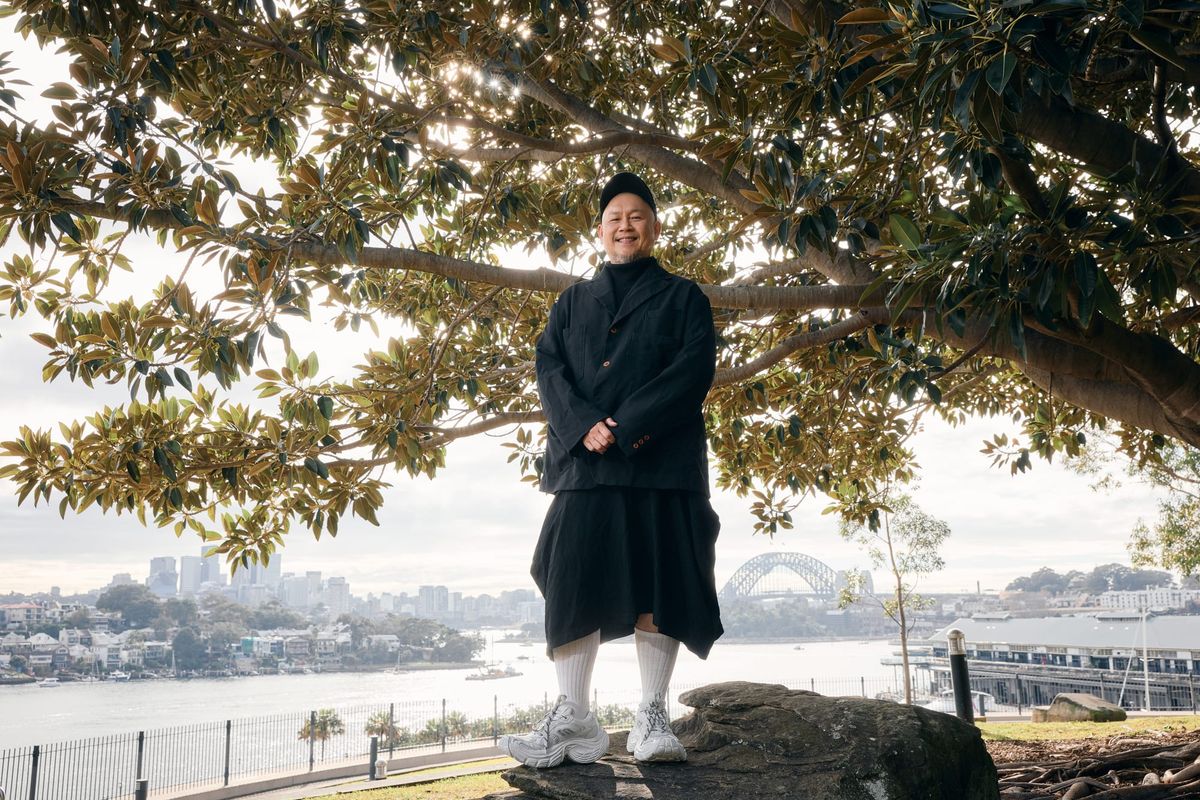
Low Kee Hong to Lead 2028 Biennale of Sydney
This is a big one: a Singaporean curator leading the Biennale of Sydney—finally a shift that feels more like reality catching up than a symbolic gesture. I like Low’s promise of “new ways of assembly” and rebuilding community; it’s exactly what biennales pretend to do but rarely risk. From my Southeast Asian vantage point, I’m watching how this appointment might re-route attention, budgets, and narratives—away from tired Euro-American gravity.
02 — This Week
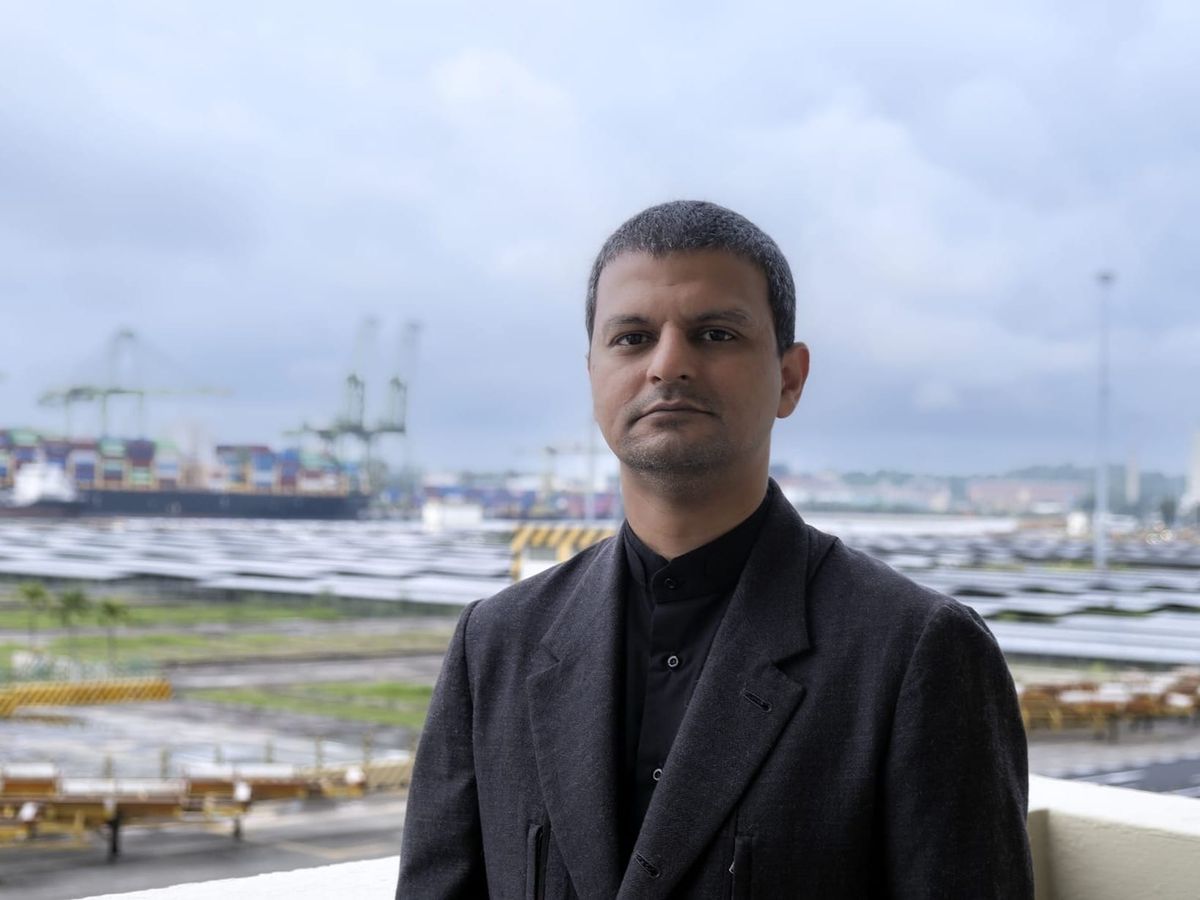
Shabbir Hussain Mustafa Named Artistic Director of 2028 Aichi Triennale
Aichi choosing Shabbir Hussain Mustafa (SAM’s chief curator, Colombo-born, Singapore-shaped) feels like another signal: Asia isn’t “emerging,” it’s structuring. I’m intrigued by his trajectory across Singapore, the UAE, and major global platforms—he understands institutions as living machines, not temples. If Aichi has taught us anything, it’s that curating in Japan can become a political act overnight. He won’t be allowed to be neutral—and that’s good.
03 — This Week
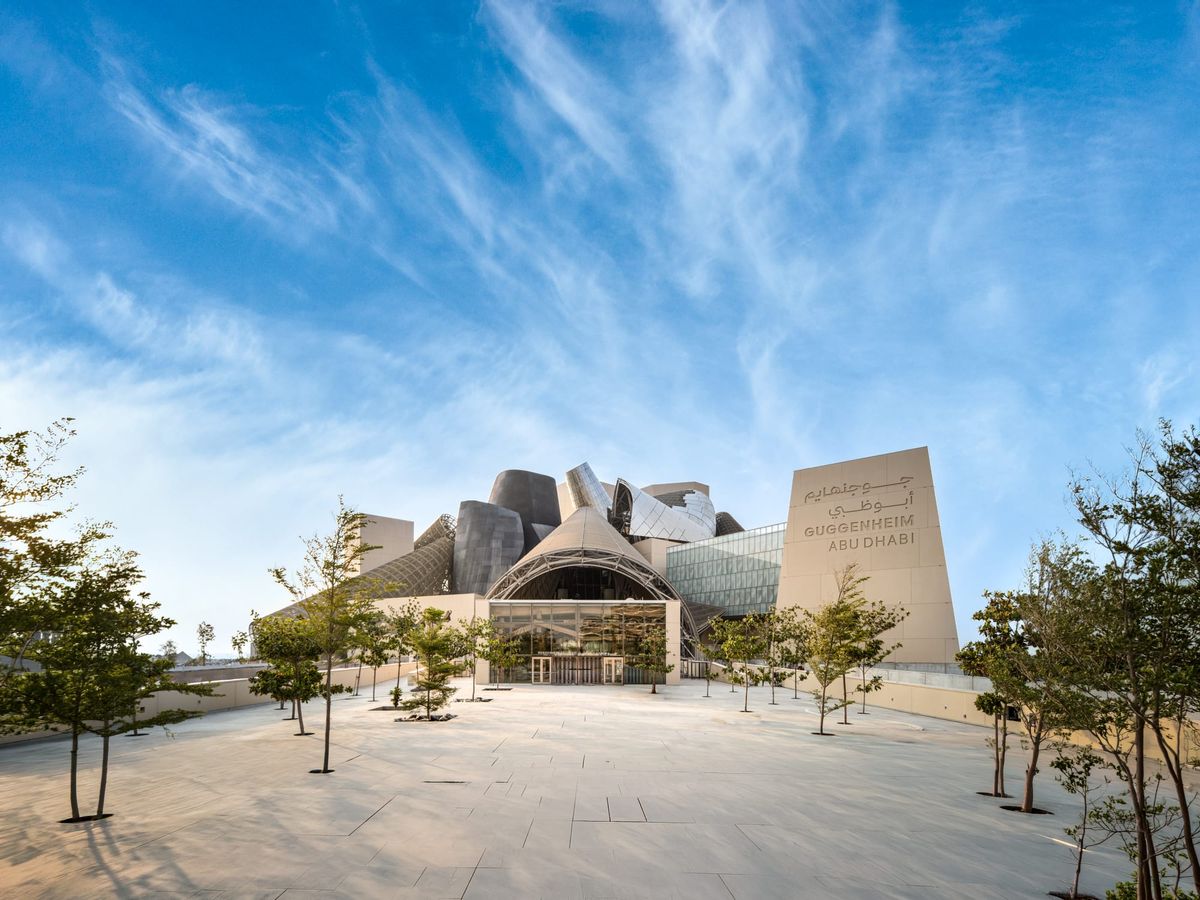
Guggenheim Abu Dhabi Reveals Opening Date
December 11: the long-delayed Guggenheim Abu Dhabi finally sets a date—and yes, I’m curious, even if I’m suspicious. A mega-museum focused on South, North, and West Asian art since the 1960s is a powerful proposition: it can rewrite art history, or it can sterilize it. After the labor controversies and the region’s tensions, I’ll be watching whether this becomes a real platform for artists—or just another architectural trophy with a collection attached.
From My Books
I decide to go to the contemporary art museum. I exchange a bit of cash just across from the restaurant, then call a Grab—the Asian equivalent of Uber. It arrives quickly. I hit my head getting into the imposing Toyota with the steering wheel on the right. The driver pulls away with that powerful automatic acceleration. The city scrolls by—organized chaos, not without charm. The museum is not bad. A lot of religious art. Huge frescoes, spectacular stagings of heroes from the Bhagavad Gita, Buddhas repeated endlessly—very colorful, a bit kitsch. Not really my style. And I’m tired from the trip, a little disconnected from my emotions—not the ideal state to admire anything. I wander without much attention until I reach a floor where the rooms change atmosphere. There, the art becomes more contemporary in style, more Western—without it necessarily being about the period. Suddenly a work catches my eye, grabs my attention despite the fatigue: a triptych by a Thai artist, Kiettisak Channonart, titled Birth – Ageing – Sickness – Death. Three canvases, three moments of a human life, trapped in a closed, claustrophobic geometry. On the left, a pale pinkish red, almost soothing: a transparent cradle inside a sharp-edged cube holds a strange embryonic creature with shining eyes. In the center, yellow dominates. A body lies weakened—both threadlike and deformed—on something like a wheelchair. The yellow isn’t sunny; it’s sickly. It makes you think of dull skin, oxidized metal. On the right, everything closes in with a denser red, thicker, almost scorched. A gaunt figure, mouth open in a silent scream, collapses into a blood-red cart, like a rolling coffin. The deeper you enter the paintings, the denser the matter becomes. The tiny strokes, almost pointillist, tighten. Color turns heavy, suffocating.
— Fragments
Pick of the Week
film
Museum Hours
— Jem Cohen
Because this week is obsessed with institutions—who leads them, who builds them, who gets archived inside them. This film reminds me that a museum isn’t just a brand or a building: it’s a temperature, a rhythm, a way of looking that can either liberate you or quietly discipline you.
Quote of the Week
"A museum is not a neutral space. It is a place where power is negotiated."
— Okwui Enwezor
Vernissage · Thomas · 2026