Avatars, archives, and who gets to be seen
Contemporary Art — Southeast Asia
Vernissage
THOMAS
Curator · Writer · Visual Artist
This week I felt the pull of two forces at once: the sacred that stabilizes us, and the image-machine that distorts us. From Seoul to Hong Kong to Venice (by way of the archive), art kept asking the same question: who protects whom—and who gets to narrate the world when it’s on fire? I’m craving works that don’t decorate reality, they wrestle it.
01 — This Week
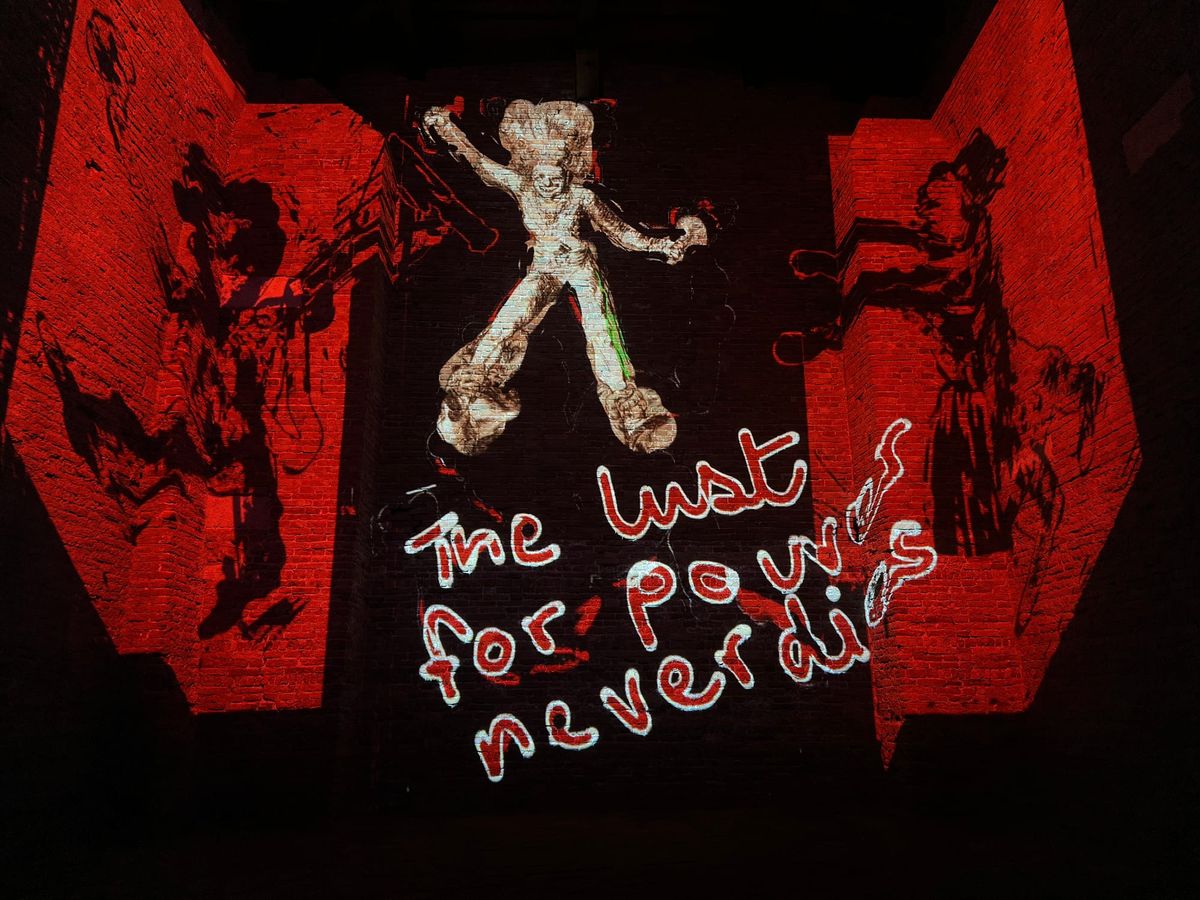
Furies Unbound: Nalini Malani’s “Of Woman Born” in Venice
Nalini Malani turns a Venetian salt warehouse into a chamber of witness: women’s voices, myth, and the looping logic of violence. I love how she refuses “a single story” aesthetic—images swarm, language cuts, sound haunts. It’s not spectacle; it’s insistence. The work doesn’t ask for empathy, it demands responsibility. In 2026, that feels like the only honest scale for art.
02 — This Week
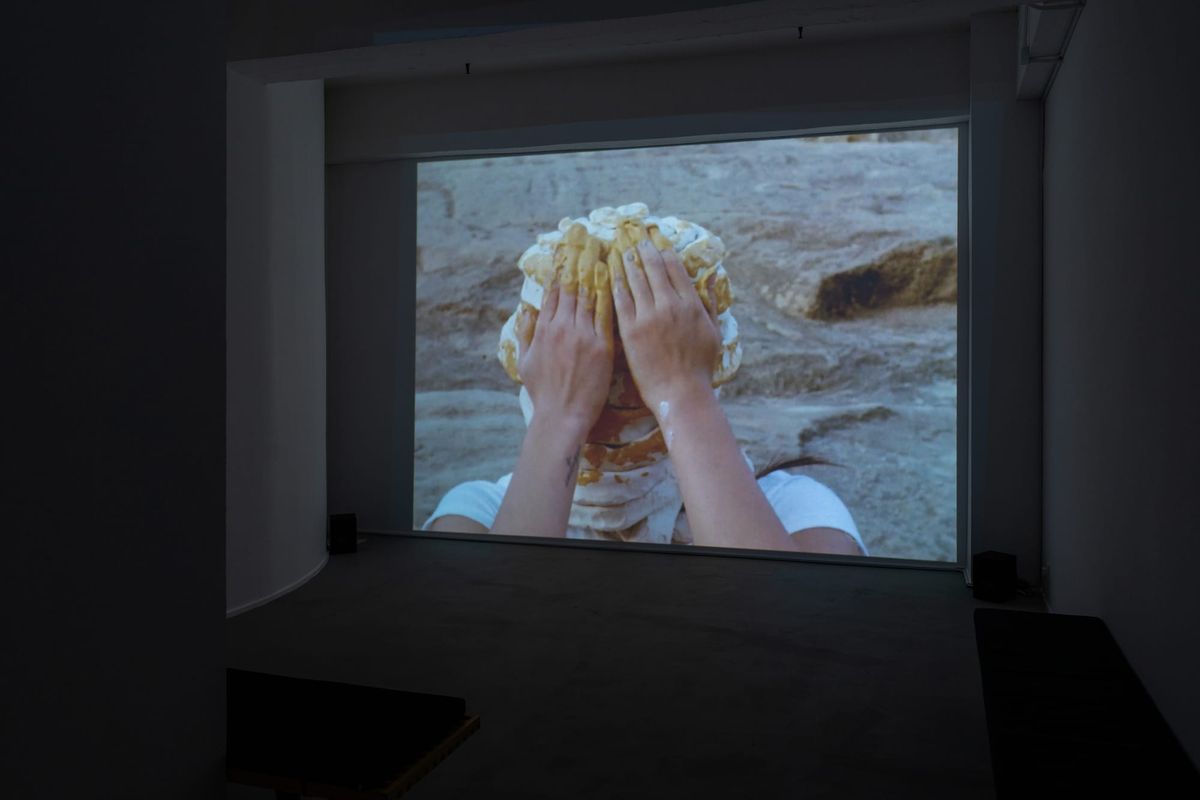
Up Close: stephanie mei huang’s “yellow porcelain” at DE SARTHE
In Hong Kong, stephanie mei huang films a silent performance of self-armoring with clay—right in the shadow of the LA Police Academy. It’s a brutal, precise metaphor: protection that becomes suffocation, identity that gets cast into an Orientalist object. I’m struck by the last image: the body disappears, a hollow form remains—target, relic, possibility. This is contemporary art as pressure test: what do you do with the gaze that polices you?
03 — This Week
Weekly News Roundup: June 26, 2026
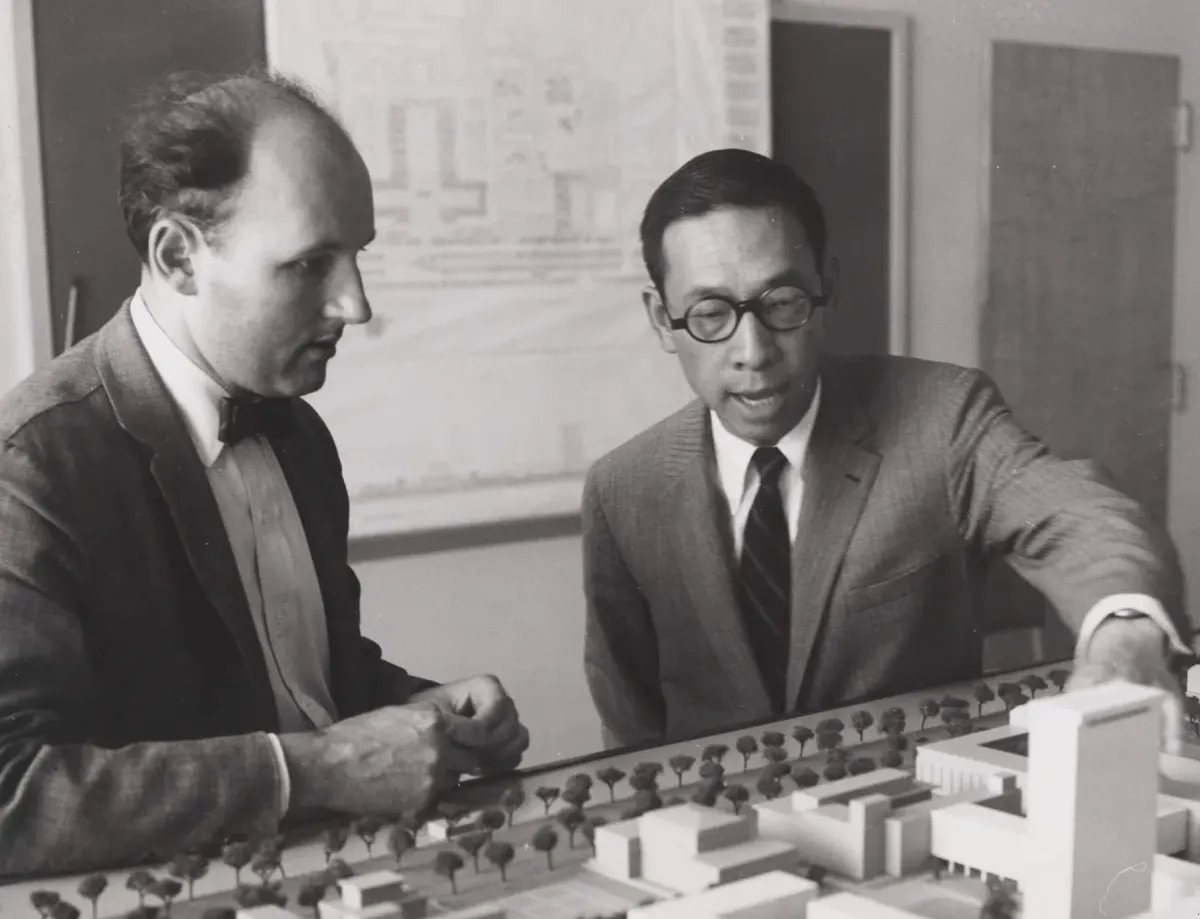
This roundup is a snapshot of the infrastructure behind the images: Pei’s archive “coming home,” Hyundai building translocal pipelines, Fotografiska expanding in Shenzhen. I’m especially watching Hyundai’s new commission with Ho Tzu Nyen—because he treats history like a live, glitching system. And the Pei archive matters: archives decide what becomes teachable, repeatable, canonical. Culture isn’t only made in studios; it’s made in storage rooms and partnership agreements.
From My Books
I decide to go to the contemporary art museum. I call a Grab—the Asian equivalent of Uber—and the city slides past: organized chaos, not without charm. I wander without much attention, until a floor where the rooms change atmosphere. Suddenly a work catches my eye despite the fatigue: a triptych by a Thai artist, Kiettisak Channonart, titled Birth – Ageing – Sickness – Death. Three canvases, three instants of a human life, represented inside a closed, claustrophobic geometry. On the left, a pale pinkish red—almost soothing: a transparent cradle, inside a clean-lined cube, shelters a strange embryonic creature with shining eyes. In the center, yellow dominates. A body lies weakened, at once wiry and deformed, on something like a wheelchair. The yellow isn’t solar: it’s sickly. On the right, everything seals shut in a denser, thicker red, almost burnt. A skeletal figure, mouth open in a silent scream, collapses into a blood-red cart—like a rolling coffin. The deeper you enter the paintings, the heavier the matter becomes. The small touches tighten. Color turns oppressive, suffocating.
— Fragments
Pick of the Week
film
Sansho the Bailiff
— Kenji Mizoguchi
Because Malani and huang both circle the same wound: power as an institution, not an accident. Mizoguchi’s film is a lesson in moral memory—how dignity survives inside systems designed to crush it. It’s a classic that still feels like a warning written for now.
Quote of the Week
"The lust for power never dies."
— Nalini Malani
Vernissage · Thomas · 2025