Bodies, borders, and the stories museums tell

Contemporary Art — Southeast Asia
Vernissage
THOMAS
Curator · Writer · Visual Artist
This week I kept thinking about how institutions frame what we’re allowed to feel—and what we’re allowed to say. From Seoul’s attempt to pin down “conceptual art,” to Shanghai’s sculptures that drag thought back into flesh, to Japan’s new flag law: the body is suddenly political again. Maybe it always was. But the temperature is rising, and art is where I go to measure it.
01 — This Week
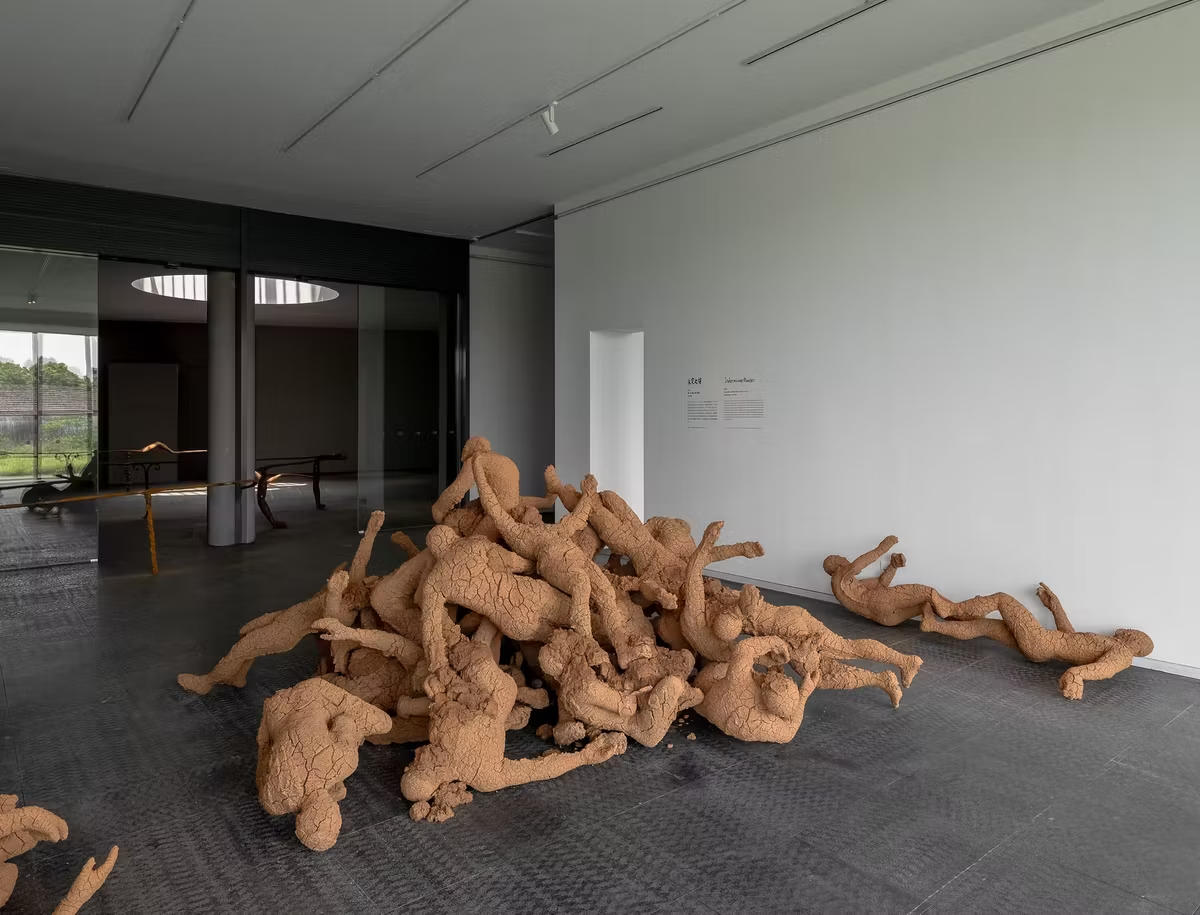
Grounding the Body: Jin Shan at the Jiayuanhai Art Museum
I love when a show refuses the pure-intellectual posture and insists: you are heavy, you are here, you will fall. Jin Shan’s works sound like a meditation on gravity and repetition—bodies as material, not metaphor. And staging this in Tadao Ando’s austere architecture outside Shanghai feels perfect: a clean container for messy, cracked, human presence.
02 — This Week
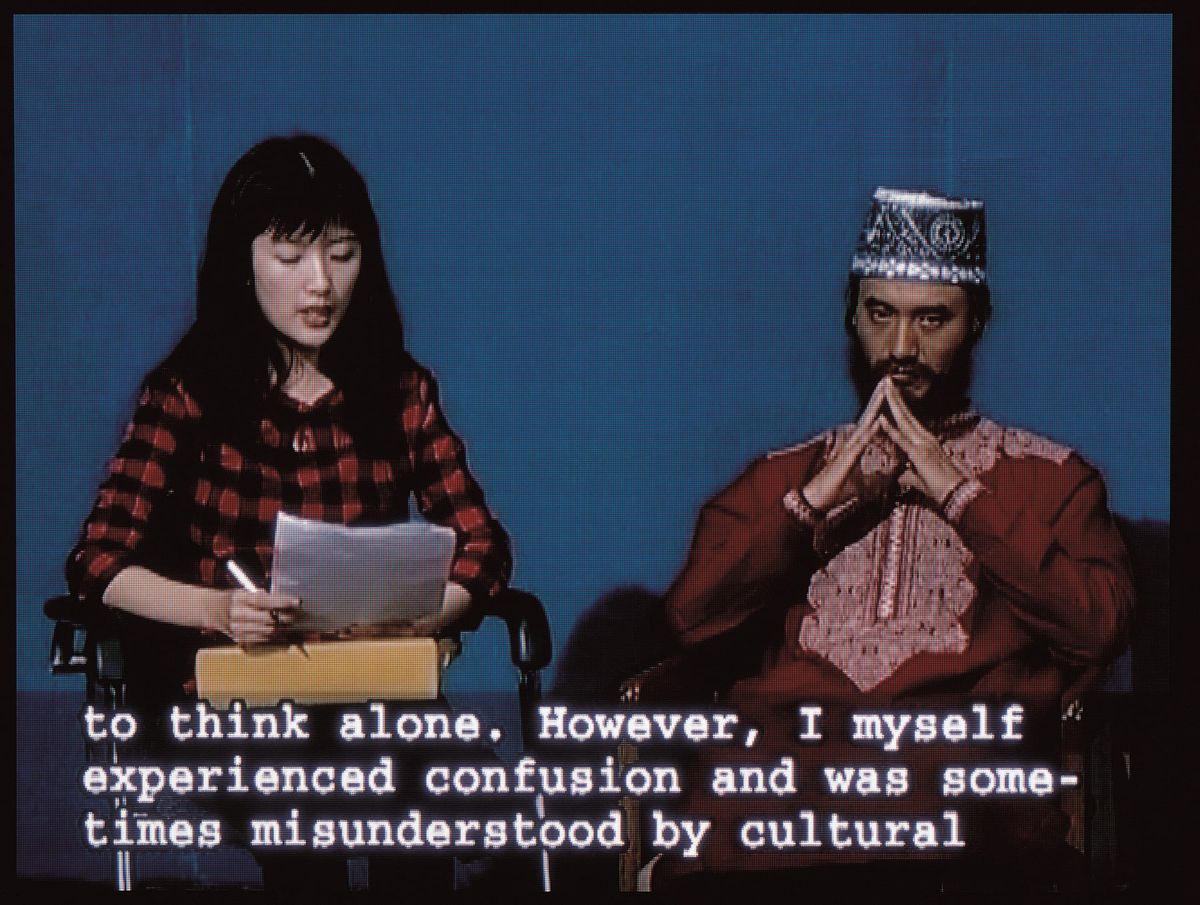
“This is (Not) Conceptual Art” at MMCA Seoul
Korea has never needed Western labels to make sharp, dry, devastatingly funny work—but museums love categories the way bureaucracies love stamps. This show fascinates me because it exposes that power: naming becomes a kind of capture. Still, the described works (maps flipped, language twisted, objects turned into jokes) feel like a survival toolkit for living inside systems.
03 — This Week
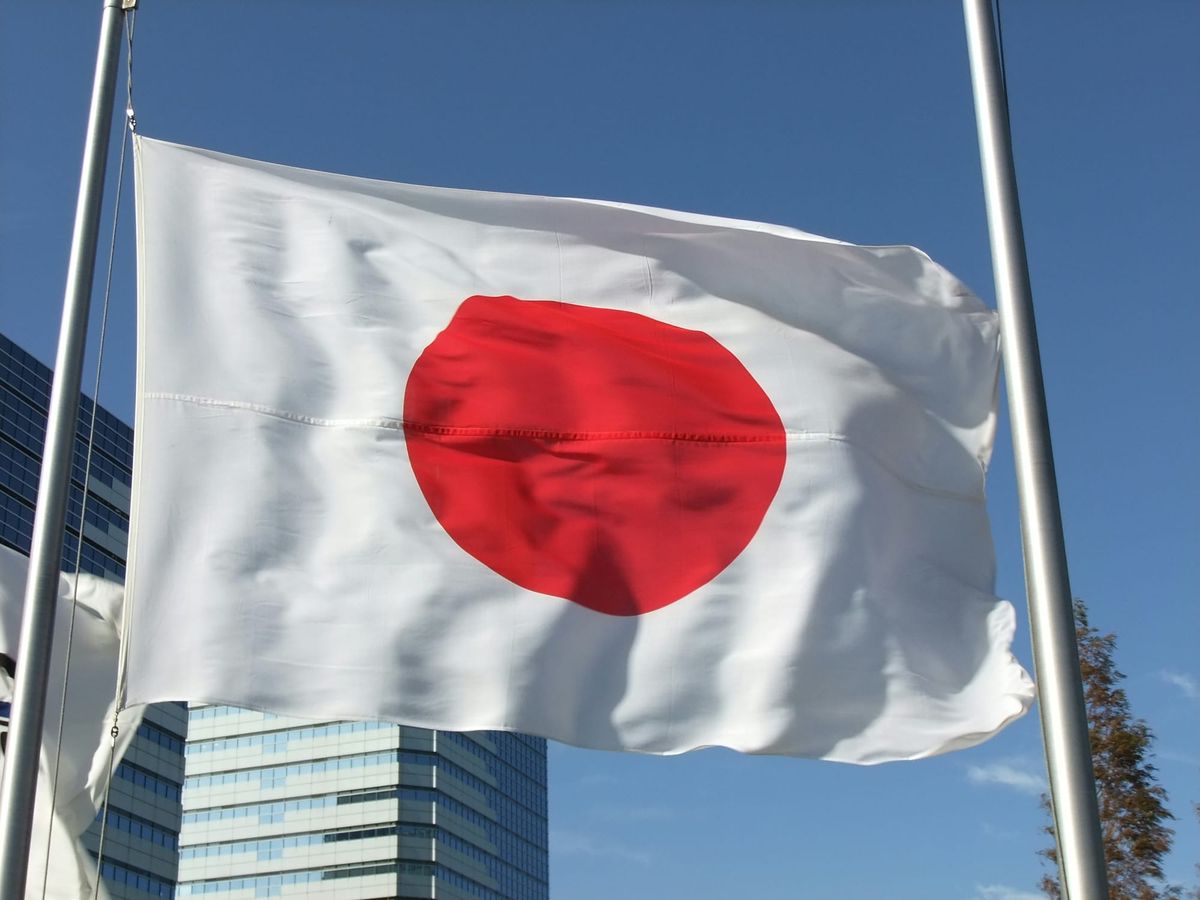
Japan Enacts Divisive Flag Desecration Law
This is one of those moments where “culture war” becomes an actual legal framework, and artists are expected to behave. The flag has been a live wire in Japanese postwar art for decades—so of course the state wants to neutralize it. Even if the law claims it won’t target images, the chill is the point: self-censorship is cheaper than prosecution.
From My Books
I refuse to accept the limitations my body imposes on me. I search for the infinite by defying matter. With deep sadness—and a certain anxiety—I look at these beings frozen for eternity, because they confront me with the fleeting nature of my incarnation. I don’t feel more real than they are. They watch each other, I watch them—but who is watching me? Life passes so fast, they say. But that’s only an illusion, because felt time is not measured time.
— Oneiric Experience
Pick of the Week
film
Tokyo Drifter
— Seijun Suzuki
Because it turns national identity into a stylized hallucination—beautiful, unstable, performative. Watching it after Japan’s flag law hits different: the state wants reverence, while art keeps insisting on ambiguity.
Quote of the Week
"The body is the first and most natural instrument of man."
— Marcel Mauss
Vernissage · Thomas · 2026