Names, cosmos, and counter-histories in Asia
Contemporary Art — Southeast Asia
Vernissage
THOMAS
Curator · Writer · Visual Artist
This week I felt two forces pulling at the same time: the tenderness of belief (real, embodied, risky) and the cold machinery of institutions. In Asia, even a “name” can become a battlefield, and even a “future” can be drafted by an algorithm. I kept thinking about how we orient ourselves: in the sky, in language, in history. And how contemporary art—when it’s honest—doesn’t soothe; it recalibrates.
01 — This Week
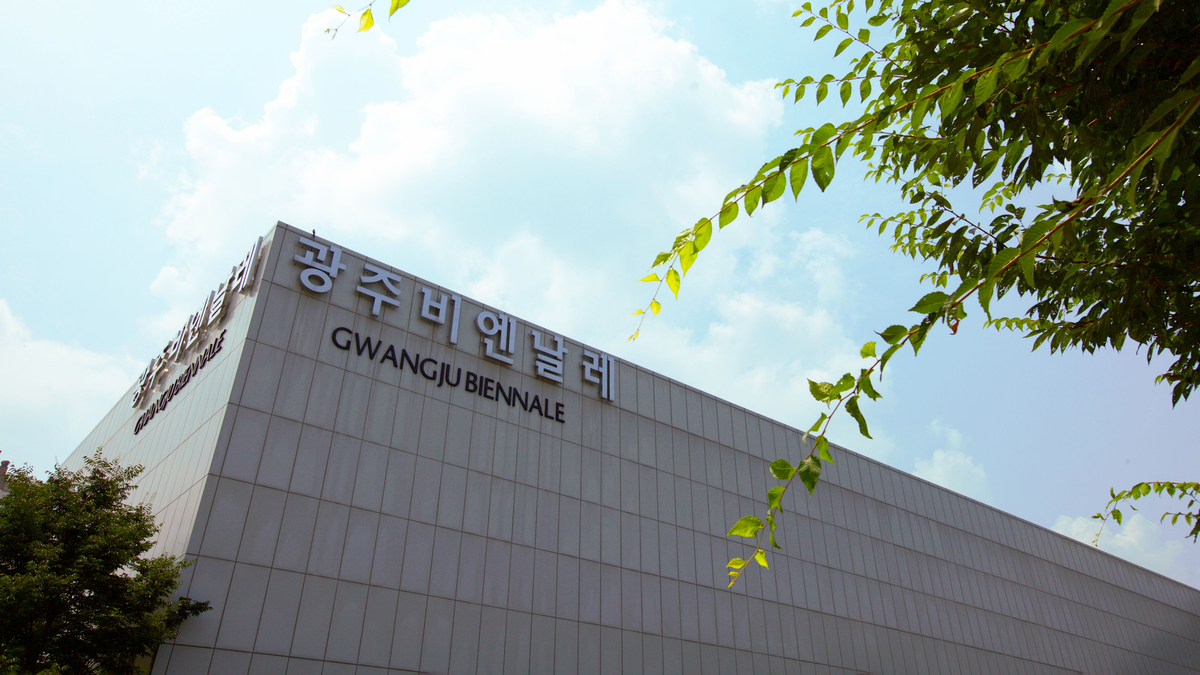
Gwangju Biennale Faces Censorship Accusations Over Pavilion Title
A pavilion title sounds like admin trivia—until you remember that naming is power. “Taiwan Pavilion” vs “NTMoFA Pavilion” is not a semantic nuance; it’s a geopolitical squeeze executed with clean typography. What I like here is the artists’ refusal to play dumb. Gwangju’s history is democracy and resistance—so the contradiction is brutal. If biennials want the aura of freedom, they need the courage of it.
02 — This Week
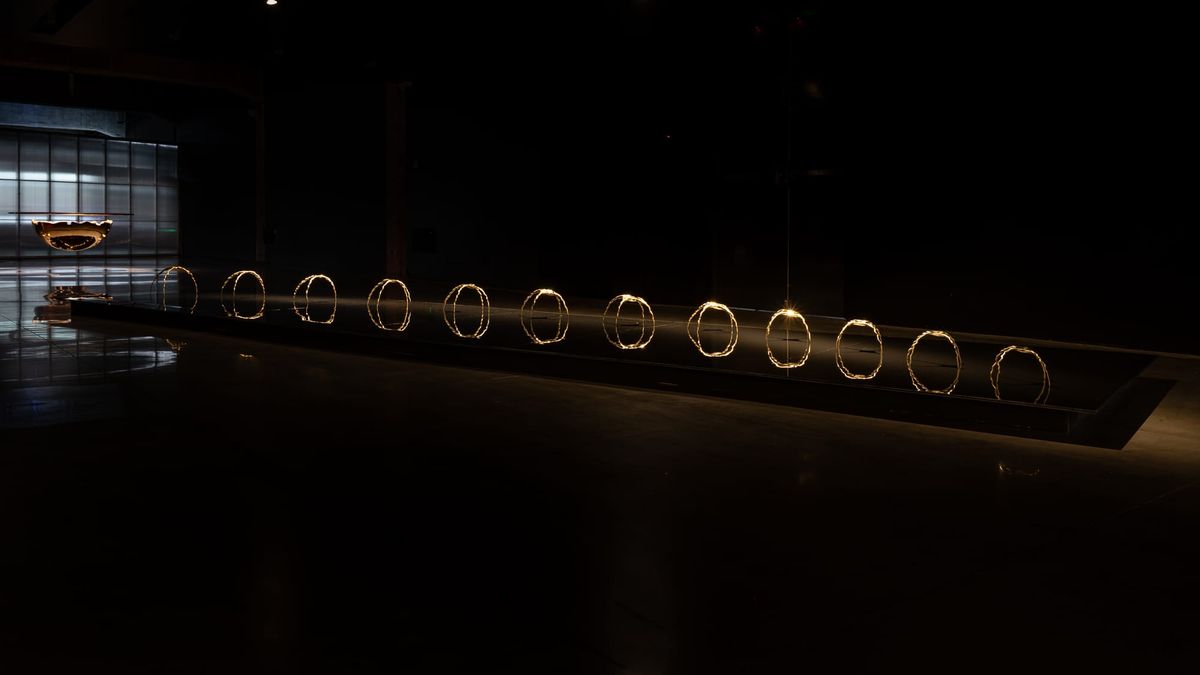
Unfinished Skies: “Prayers to Fornax” at Hyundai Motorstudio Beijing
A show about science + spirituality that doesn’t cosplay as “mystical.” It chooses humility over spectacle—rare, and honestly refreshing. It’s also a reminder that Asia’s contemporary scene can hold contradiction without needing Western permission: shamanic sound, CERN debates, algorithmic myths, tarot systems. I’m drawn to this idea: the sky isn’t universal—it’s contested, rewritten, and political.
03 — This Week
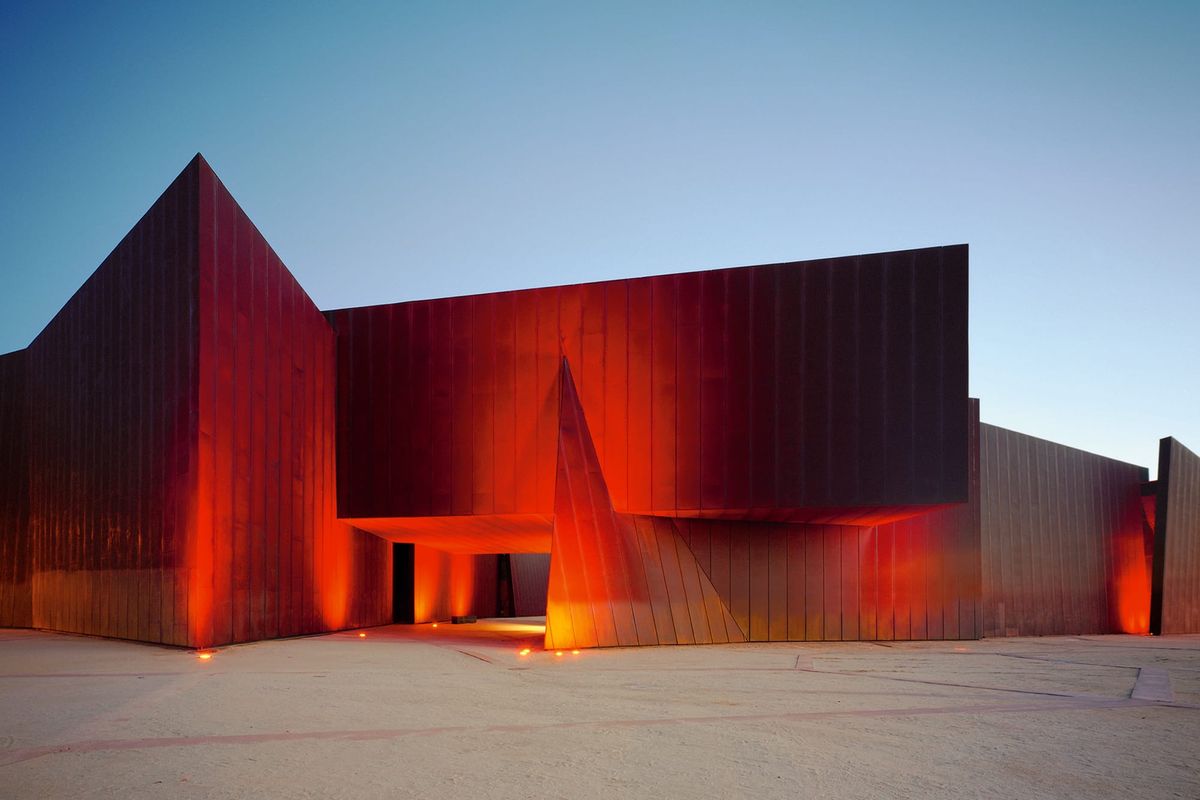
Weekly News Roundup: August 17, 2026
I’m picking this roundup for one line that matters: ART KL is launching in Kuala Lumpur as a platform for artists born after 1990. Southeast Asia doesn’t need another import-model fair—it needs porous, local ecosystems where collectors, spaces, and young artists actually meet. If ART KL keeps its nerve (small, sharp, public-facing), it could become a real temperature-check for the region.
From My Books
The paradigm has changed. This generalized relativism, this inability to decide, to name things, to say: this is true, this is false—it's the symptom of a broader collapse.
— Fragments
Pick of the Week
film
The Act of Killing
— Joshua Oppenheimer
Because it’s about who gets to name history—and what happens when power rewrites memory as entertainment. It rhymes with the Taiwan Pavilion dispute, and with “Prayers to Fornax” in its darker way: systems invent myths to survive.
Quote of the Week
"The limits of my language mean the limits of my world."
— Ludwig Wittgenstein
Vernissage · Thomas · 2026