Roots, archives, and what the land remembers
Contemporary Art — Southeast Asia
Vernissage
THOMAS
Curator · Writer · Visual Artist
This week I kept thinking about what stays when people leave: a coastline, a photograph, a temple path. In Southeast Asia, you learn quickly that landscape isn’t décor—it’s a witness. And in art, the most contemporary gesture can be simply: to pay attention, precisely. Here are three works/stories that did that for me—without romanticizing anything.
01 — This Week
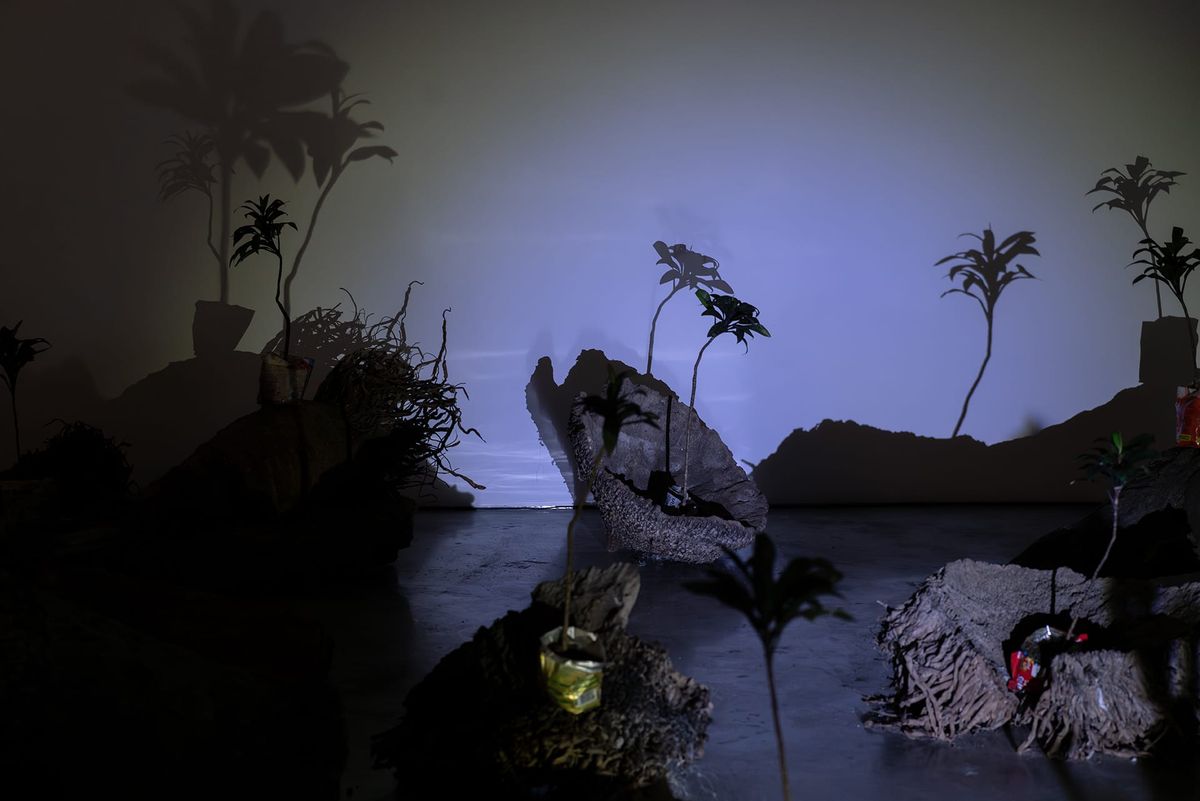
The Coconut Knows: Martha Atienza at Silverlens
This is contemporary art doing what it should: turning a familiar object into an instrument of truth. Atienza uses the coconut tree like a living data set—uprooted, washed ashore, carrying the violence of erosion and the economics of survival. I love the darkness of the exhibition and how the light comes from the works themselves—like the sea at night, like a warning you can’t ignore. It’s Philippine reality, but it speaks to every coastal city in Southeast Asia that keeps pretending nothing is happening.
02 — This Week
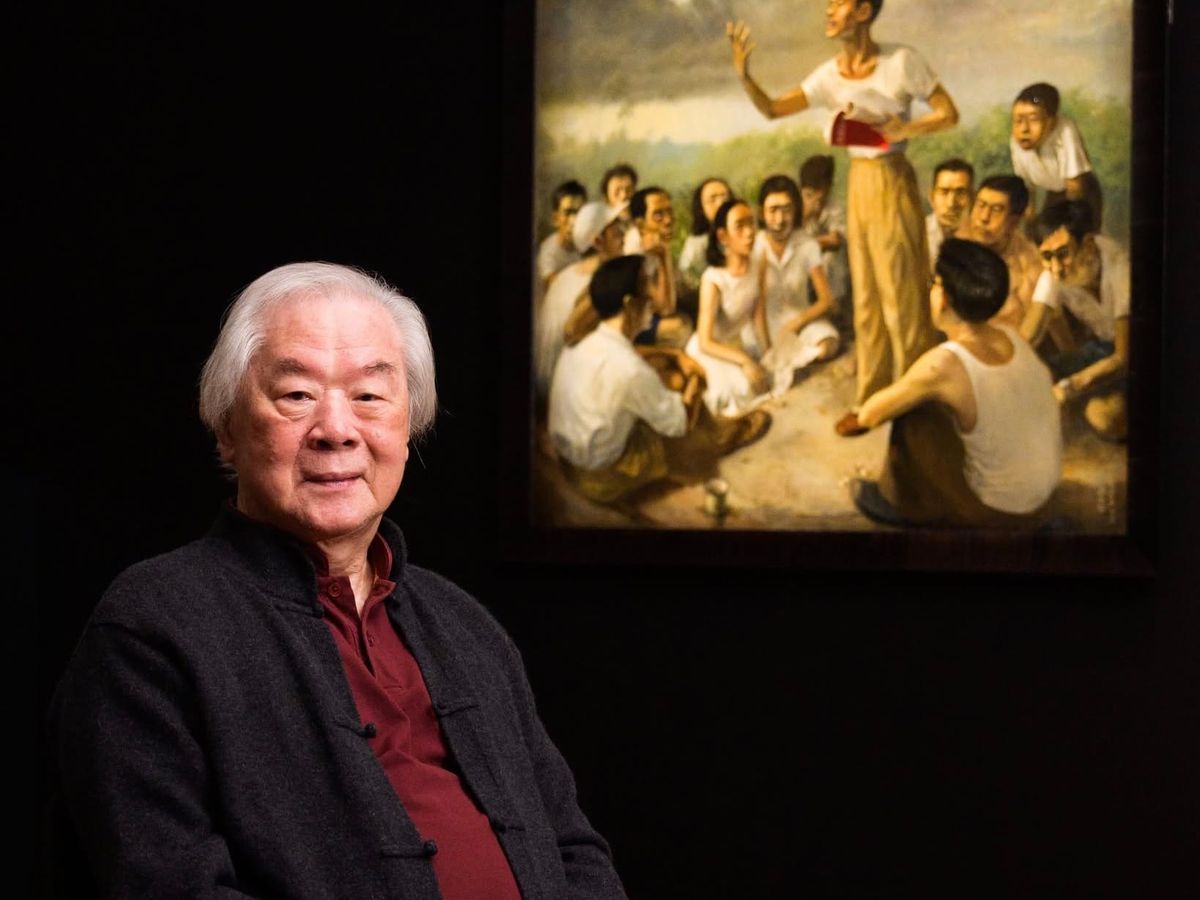
Chua Mia Tee, 1931–2026
A death, yes, but also a reminder: Singapore’s modernity was painted from the ground, not from the skyline. Chua Mia Tee’s social realism isn’t nostalgia—it’s an ethic. Reading this, I felt the urgency of preserving Southeast Asian art histories that are too easily compressed into market-friendly labels. His line—“art must be true, virtuous, and beautiful”—sounds old-fashioned until you realize how radical “true” is right now.
03 — This Week
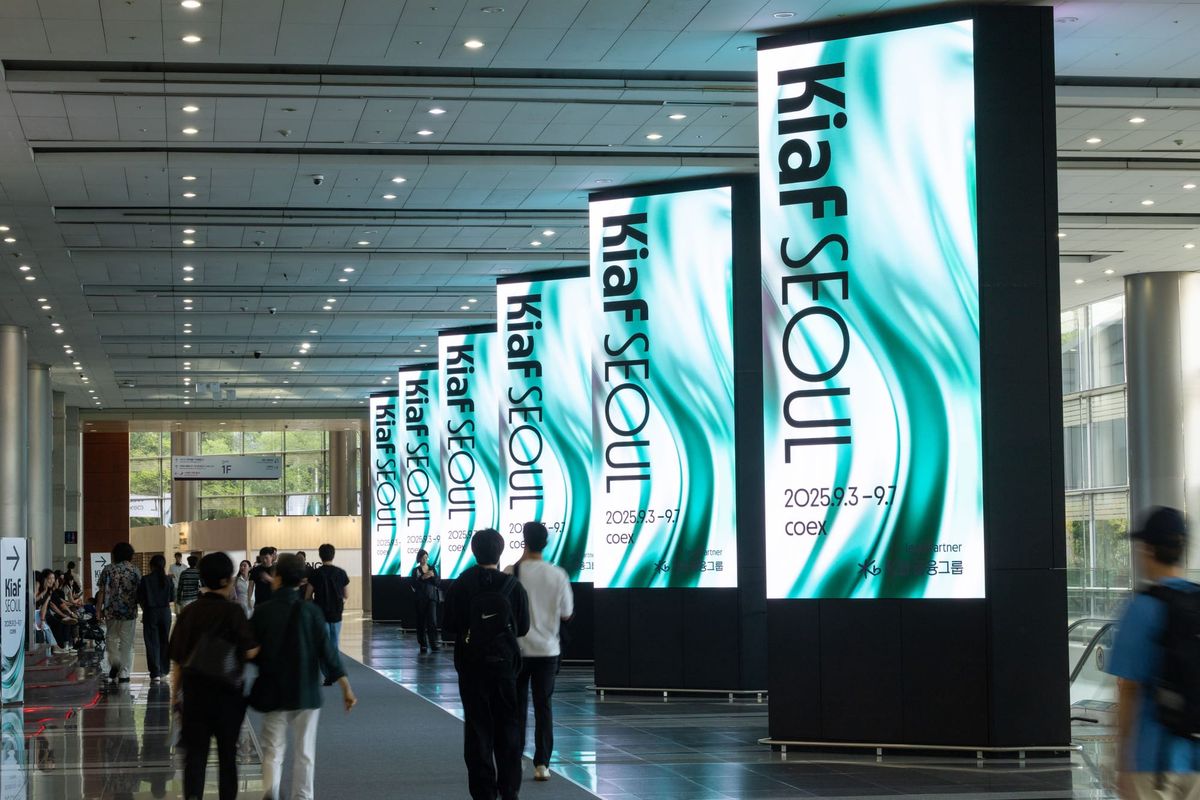
Kiaf SEOUL 2026 Marks a New Chapter for Korea’s Leading Art Fair
Seoul keeps sharpening its edge—less “regional hub” and more a city that sets tempo for the Asia-Pacific circuit. The interesting part here isn’t the scale (175 galleries), it’s the idea of an art fair appointing a creative director to shape experience, not just commerce. I’m watching how Korean fairs and institutions export a model: tight design, clear storytelling, and ambition without apology. Southeast Asia should study this—not to copy, but to build our own infrastructure with the same confidence.
From My Books
More later, when I returned with the old man, I learned that this place is a sanctuary for forest spirits—benevolent entities that flee humans and their perversions. Sometimes, they said, these spirits seduce souls, drawing them deep into the jungle, where they are lost forever. A pulse rose in me—an irrepressible desire to go into the forest and never come back out. I stood on the fragile canoe, eyes closed, and little by little the feeling of individuality vanished. I was one with the environment. The forest resonated inside me. The same energy animated every organism. An invisible, primordial bond united every creature, every plant. I became the whole. And the whole contained me. I opened my arms and breathed deeply. The thick smells of the forest saturated my lungs, charging me with unknown energies. Suddenly, instinctively, I dove into the river. A freshness flooded me at once—the sensation was exquisite. I let myself float on my back, carried by the water, and I had the impression of returning to my mother’s womb. All my fears had dissolved. A deep peace inhabited me—an alien serenity, beyond language. Here, life and death blurred into one. Time itself no longer existed.
— Oneiric Experience
Pick of the Week
film
Women Without Men
— Shirin Neshat
Because this week is about witnesses: trees, bodies, archives, and nations. Neshat’s film turns a garden into a political sensor—beauty that records trauma, silence that refuses erasure. It pairs perfectly with Atienza: different geographies, same truth—landscape remembers what power tries to delete.
Quote of the Week
"The land has been keeping score all along—and it washes the tally onshore."
— Bea Belen-Ferrer
Vernissage · Thomas · 2026