Youth Palace, Ai Weiwei, and the politics of display
Contemporary Art — Southeast Asia
Vernissage
THOMAS
Curator · Writer · Visual Artist
This week, I kept thinking about “training”: the way we’re formed by buildings, images, and the stories power tells us to repeat. From Shanghai’s Youth Palace nostalgia to Sydney’s waterfront monumentality, I felt that familiar pressure: culture as soft discipline. And yet—artists keep slipping out of the frame, sabotaging the script, making the museum leak into life. Here are three things I can’t stop replaying.
01 — This Week
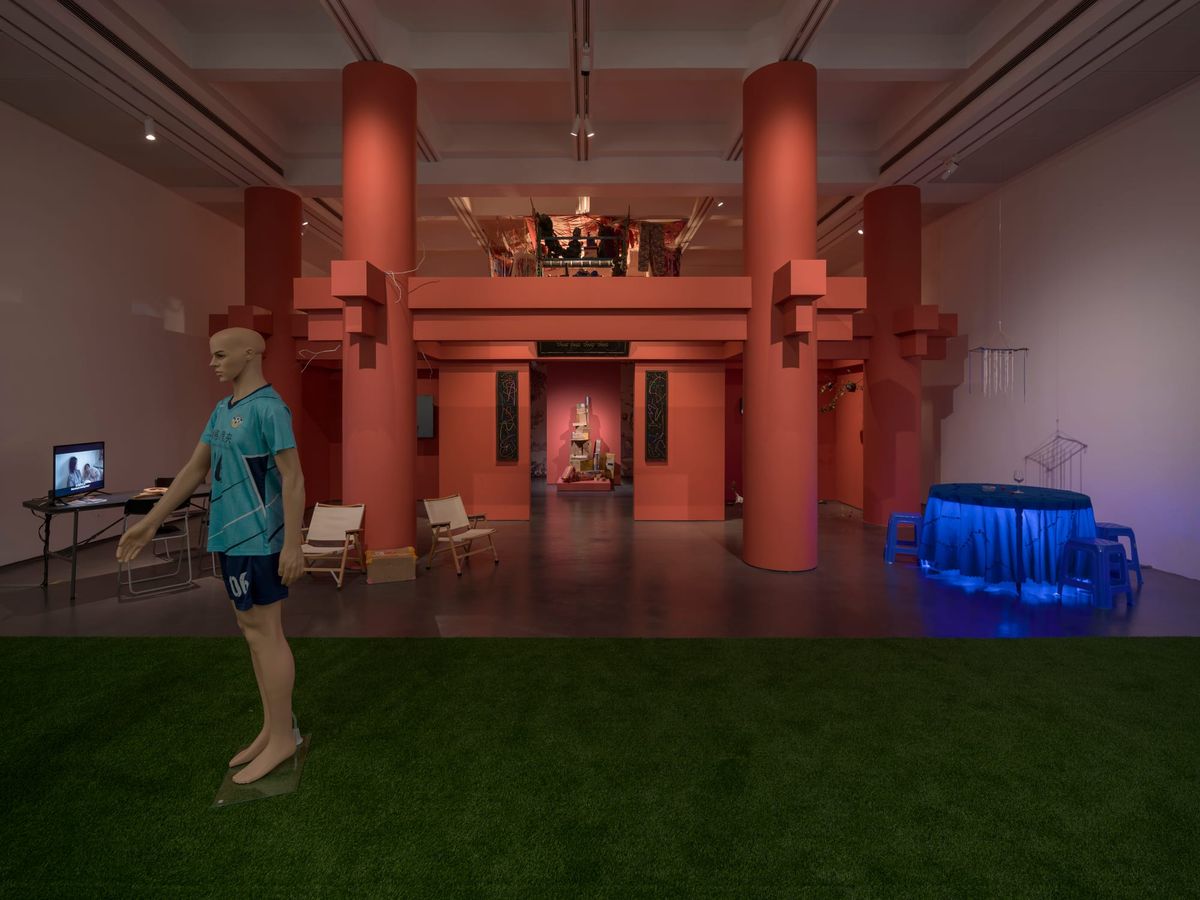
A Discipline of Feeling: On “Youth Palace” at the Rockbund Art Museum
Shanghai’s Rockbund turns the “Youth Palace” into a metaphor for the museum itself: a factory of sensibility, values, and obedient bodies. I love how the show embraces the haunted afterimage of socialism—education as choreography—while testing small acts of refusal (idleness, self-defense, misfit toys). It’s the rare group show concept that actually bites the institution hosting it. If you’ve ever felt nostalgia as a political technology, this one will hit you.
02 — This Week
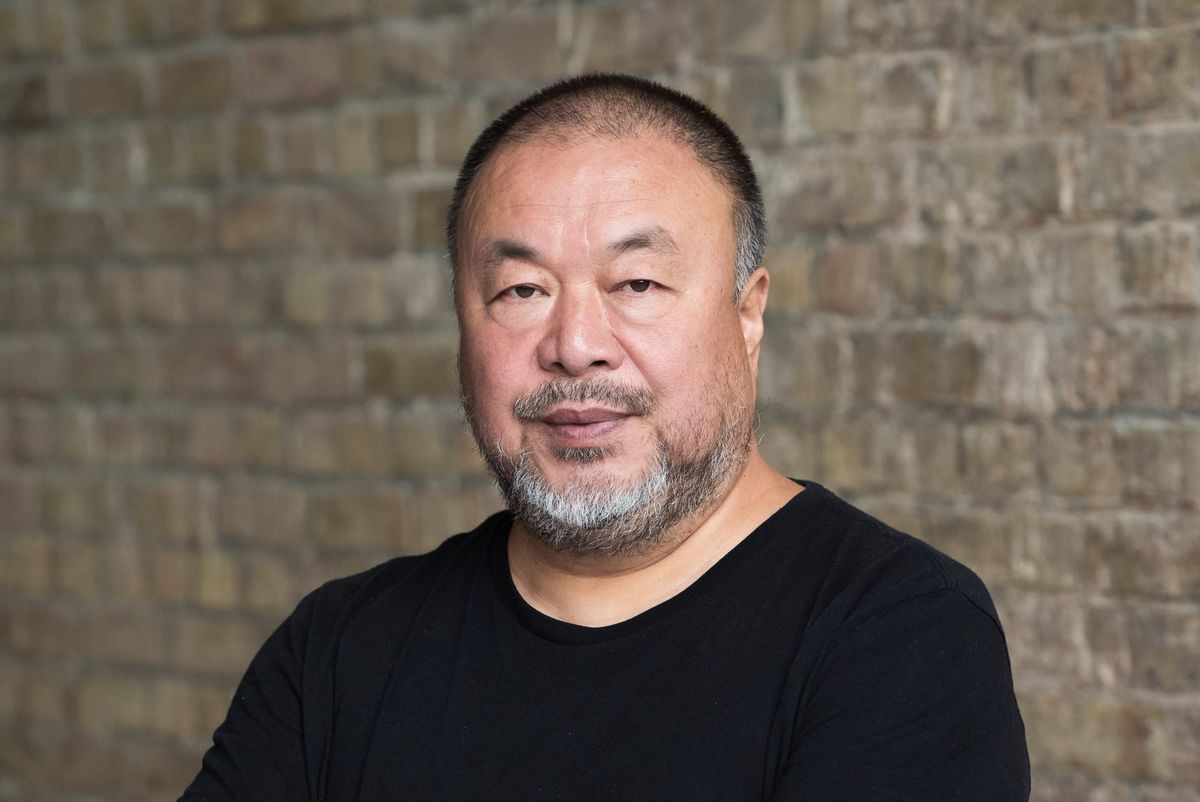
Ai Weiwei Selected for 2026 Neil Balnaves Tallawoladah Lawn Commission
Ai Weiwei on a harborside lawn at Circular Quay is the kind of public-facing collision I want from institutions: tourism backdrop turned into a pressure point. Australia knows his work isn’t decoration—it’s a moral irritant—and commissioning him again feels like choosing friction over comfort. I’m curious (and slightly suspicious) about what “impactful” will mean when the site is this photogenic and this state-adjacent. Still: an Asia-Pacific stage, and an artist who refuses to whisper.
03 — This Week

Japan in Two Visual Narratives
I’m obsessed with exhibitions that openly admit images are never innocent—and this one stages that argument across time. Felice Beato’s early photographs of Japan weren’t just documentation; they were a template for Western desire, neatly packaged as souvenirs. Pairing that archive with Anaïs López’s contemporary, hybrid storytelling feels like a needed counter-spell: not “truth,” but awareness of how truth gets staged. If you care about the politics of the gaze, go read this.
From My Books
I can almost feel time and space the way the figures in the painting must have lived them. My heartbeat changes—calmer, lighter. The painting awakens lost sensations in me, buried deep inside, washed out by time and stained by life. The chain of transmission is broken; that world no longer exists. In the one I’m experiencing, time and distance blur, becoming almost incoherent, meaningless. I’m not really where I am—nor at the moment I’m supposed to be. Paradoxically, I feel I could step into the scene, as if my place were with them, not in this world where I never find mine. I keep moving through space, but the real problem is time. With a deep sadness—and a certain anxiety—I look at these beings frozen for eternity, because they confront me with the fleeting nature of my own incarnation. I don’t feel any more real than they are. They look at each other, I look at them—but who is looking at me? Noisy people enter the room, and their vulgar comments destroy the magic, ripping me out of the work. I open my eyes again, and the painting suddenly seems lifeless, nothing more than a simple drawing. I smile with nostalgia, giving the figures one last look—like looking at old photos of loved ones, those who left a mark in our hearts even when memory has become blurred. One last glance as I walk away, and sadly, I re-enter this mediocre world where I am a prisoner.
— Oneiric Experience
Pick of the Week
film
The Act of Killing
— Joshua Oppenheimer
Because this week is about staging—how institutions, archives, and public images manufacture reality. Oppenheimer shows what happens when power is allowed to direct its own spectacle: the horror isn’t hidden, it’s performed. It’s a brutal mirror for museums, monuments, and every “official” narrative we inherit.
Quote of the Week
"The museum is a school: it teaches you what to desire, and calls it taste."
— John Berger
Vernissage · Thomas · 2026